Water Damage Restoration Overland Park, KS
Burst pipes, failed sump pumps, sewage backups and storm runoff all leave the same problem behind: water where it should not be. The restoration team extracts, dries and cleans homes across Overland Park.
(888) 902-1696Call about the water in your homeHot, humid summers and cold, dry winters bring water trouble to Johnson County homes, from storm runoff to split pipes.
What to do in the first stretch of a water loss
- Make the room safe
Keep people and pets out of standing water, and stay clear of outlets and wet electrical equipment until power is off.
- Stop the source
Close the shutoff valve or unplug the leaking appliance so nothing new keeps flowing in.
- Photograph before moving things
Take clear pictures of wet walls, floors and belongings first, since an adjuster will want to see the damage as it was.
- Call for extraction
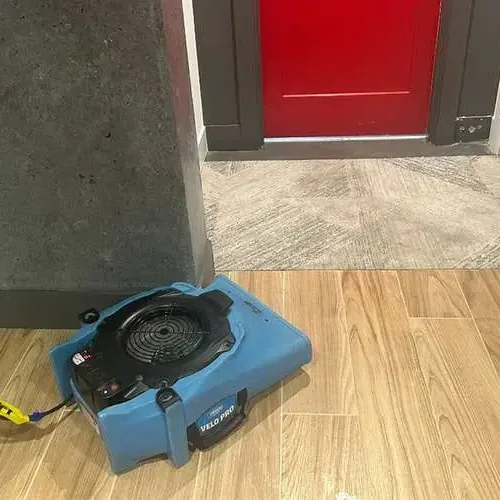
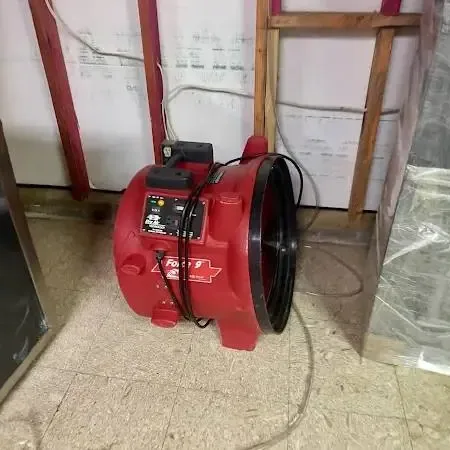
The crew pulls standing water first, then sets air movers and dehumidifiers and logs moisture readings.
- Lift small items off wet floors
Move rugs and light furniture up and out; leave heavy pieces and anything unsafe to the crew.
Services for every kind of household water loss
Choose the kind of loss below to see how the work runs, what it involves and what it tends to cost for a home in Johnson County.
Water Extraction and Removal
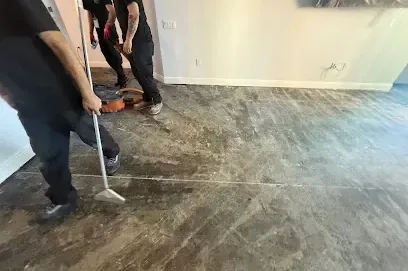
Pumps and wands pull standing water off floors and out of carpet before the moisture soaks into drywall.See the service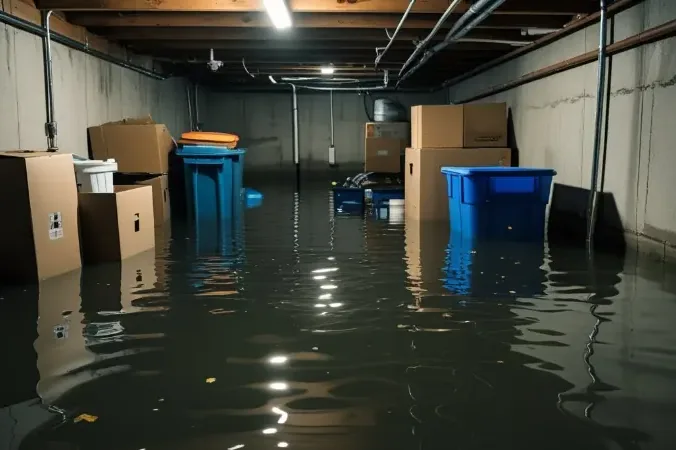
Basement Flooding Cleanup
Heavy rain and clogged drains can fill a lower level, so pumping and flood cuts come first.See the service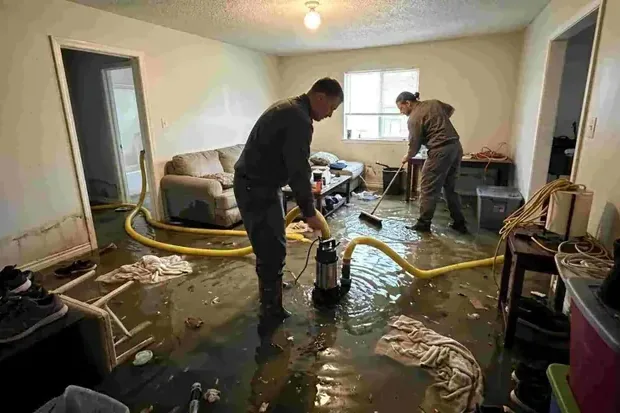
Sump Pump Failure Cleanup
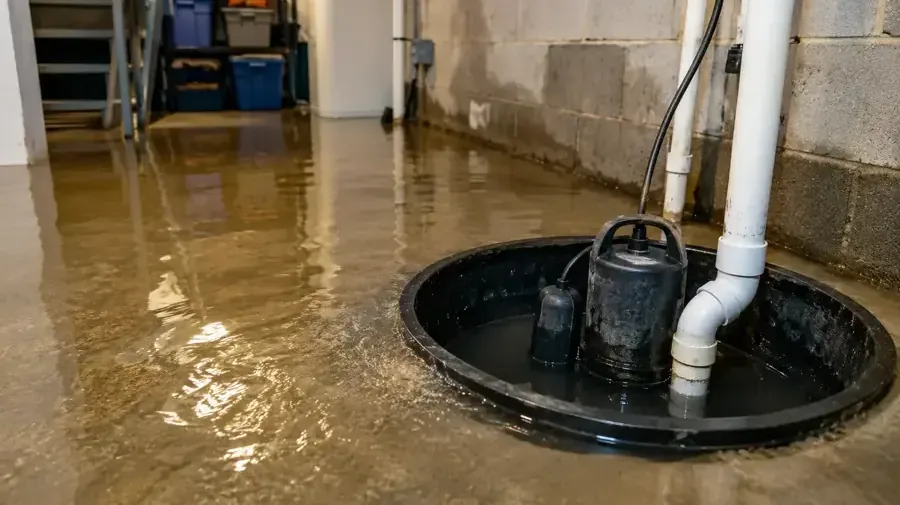
A pump that quits in May or June lets groundwater cover the floor. The crew clears it and dries the room.See the service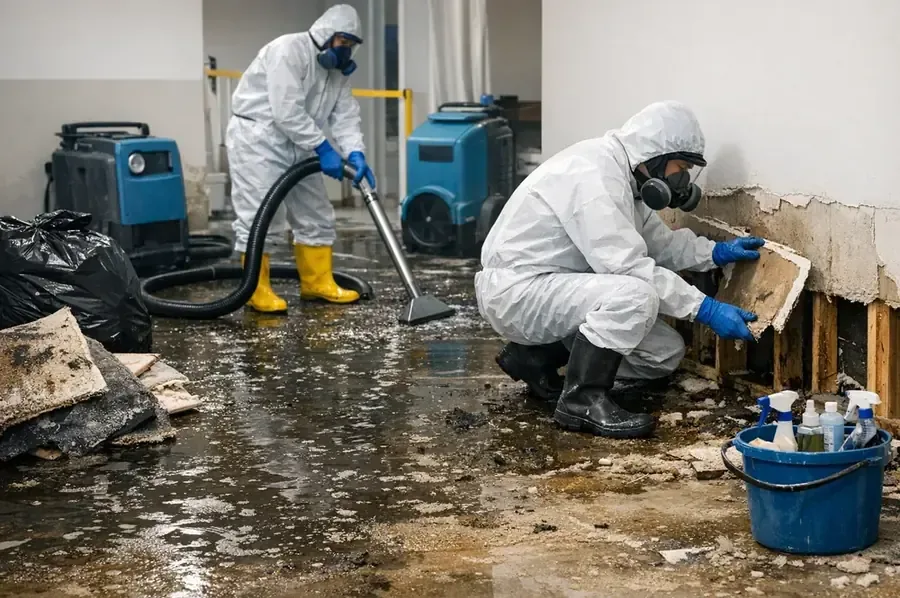
Sewage Backup Cleanup
Contaminated drain water is removed, floors and walls are sanitized, and porous materials are cut out.See the service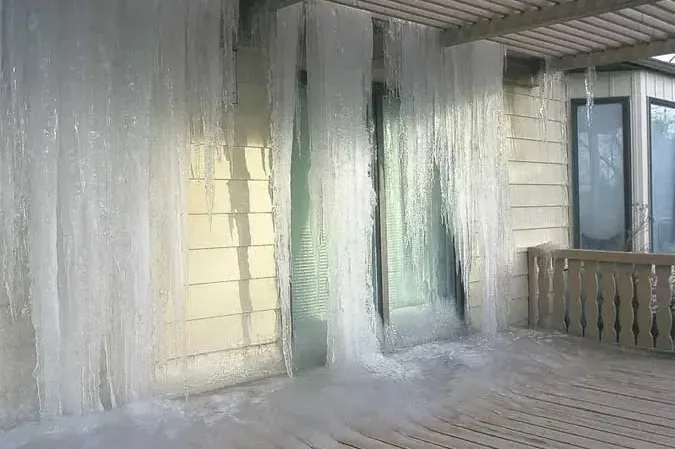
Frozen Pipe Water Damage
A pipe that freezes on a January night can split quietly, then flood a wall cavity once it thaws.See the service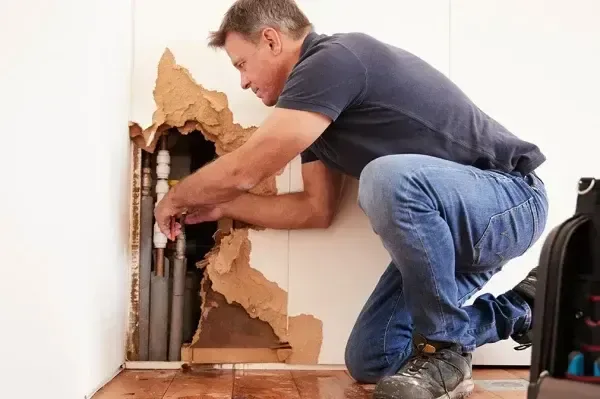
Burst Pipe Water Damage
A burst supply pipe soaks the wall, ceiling and floor below it, so water is extracted and the cavity opened and dried.See the service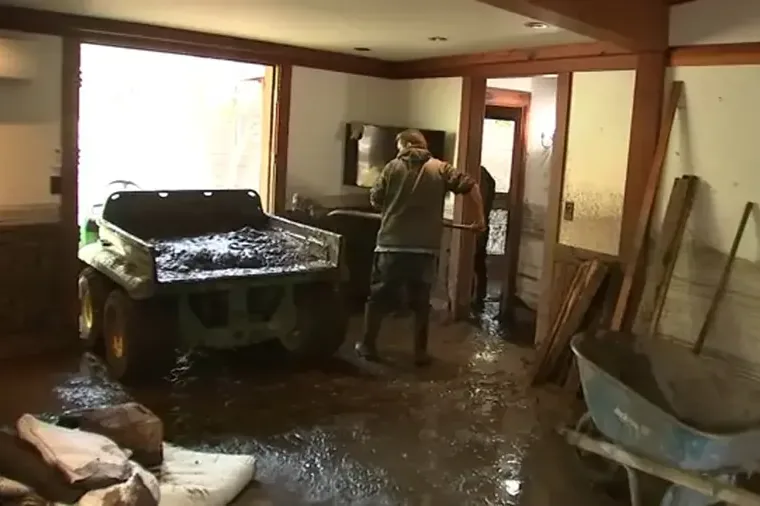
Storm and Flash Flood Cleanup
Creek country runoff and hard storms push mud and water into lower levels, and the crew clears it out.See the service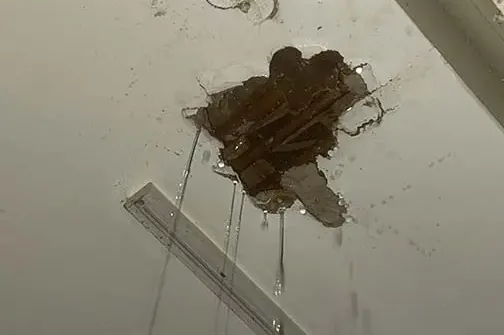
Roof Leak Water Damage
Rain or melting snow finds a weak spot in the roof, then stains ceilings and soaks insulation above them.See the service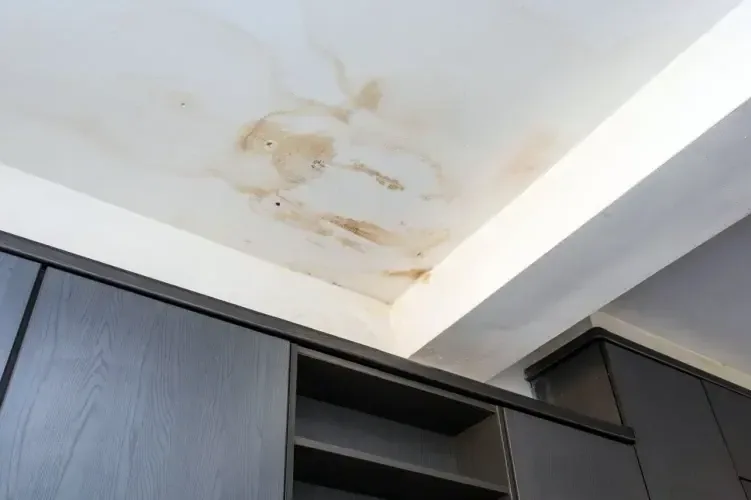
Ceiling Leak Water Damage
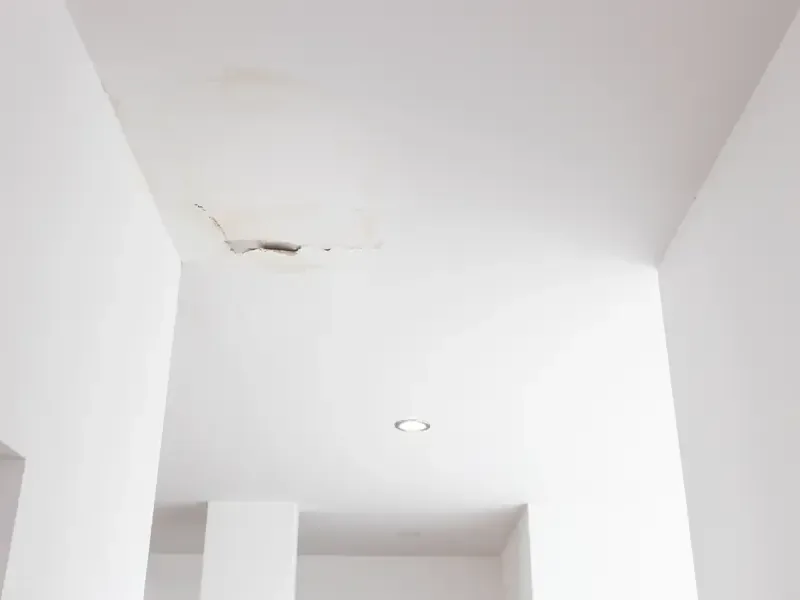
A brown ceiling stain points to a leak above, so the source is traced and the wet section dried.See the service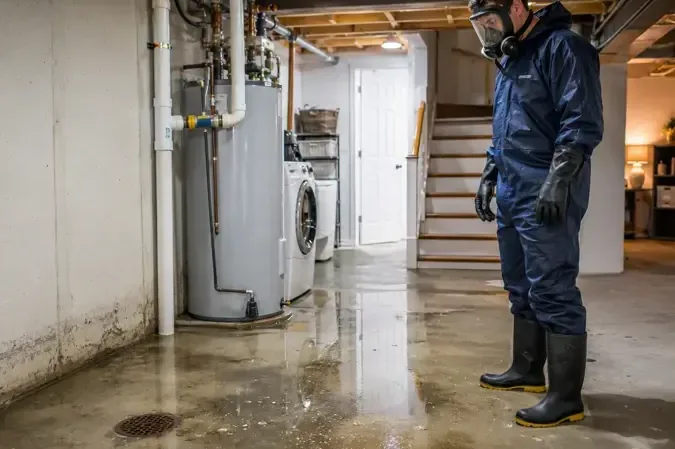
Water Heater Leak Cleanup
A leaking tank can flood a utility room fast, and the water spreads to the floors around it.See the service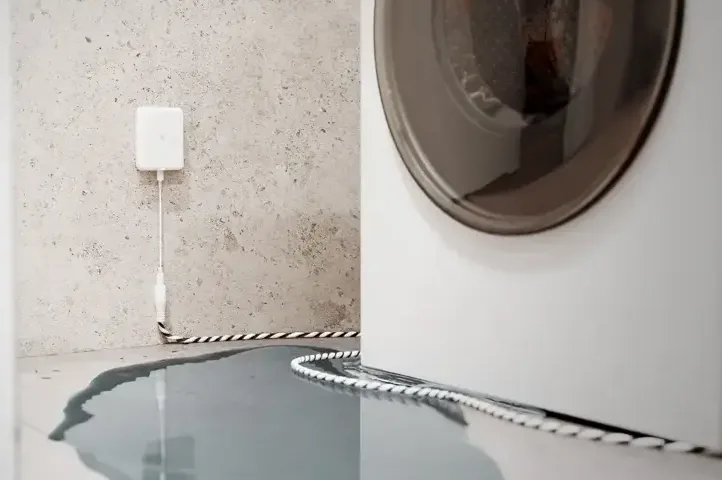
Appliance Leak Water Damage
Washers, dishwashers and refrigerator supply hoses fail without warning and wet cabinets and subfloor.See the service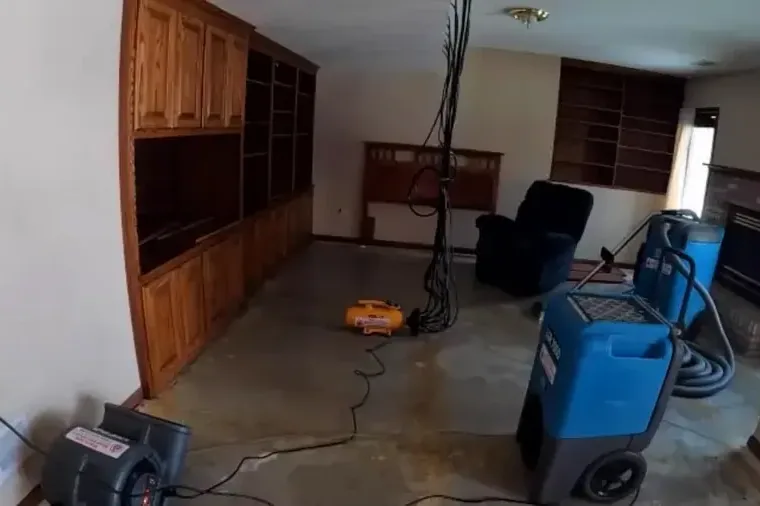
Structural Drying and Dehumidification
Air movers and dehumidifiers dry framing, subfloor and walls until the readings show the structure is dry.See the serviceWater damage work built around drying, not guessing
The team measures before it dries and measures again before it leaves, so the work ends on meter readings rather than on a hunch.
Extraction before drying
Standing water goes out first with pumps and wands, which cuts the drying load and protects the subfloor underneath.
Moisture mapped
Meters and thermal imaging find wet drywall, insulation and framing that the eye misses, so drying covers the whole loss.
Clear about water categories
Clean, gray and black water are handled differently, and the crew names the category on day one so the scope and cost make sense.
Records for the insurer
Photos, moisture logs and equipment notes are kept so the paperwork an insurance adjuster asks for is ready.
Three losses that follow the seasons here
Winter pipe splits
January nights average 20 degrees, and a pipe that freezes can split behind a wall long before anyone sees a stain.
Frozen pipe damageSpring sump failures
May brings 5.41 inches of rain on average and June 5.22, the stretch when a pump that is worn or overwhelmed lets water rise.
Sump pump cleanupCreek and storm runoff
Turkey Creek, Indian Creek, Tomahawk Creek, Coffee Creek and Wolf Creek cross the city, and a hard storm can send runoff toward lower levels.
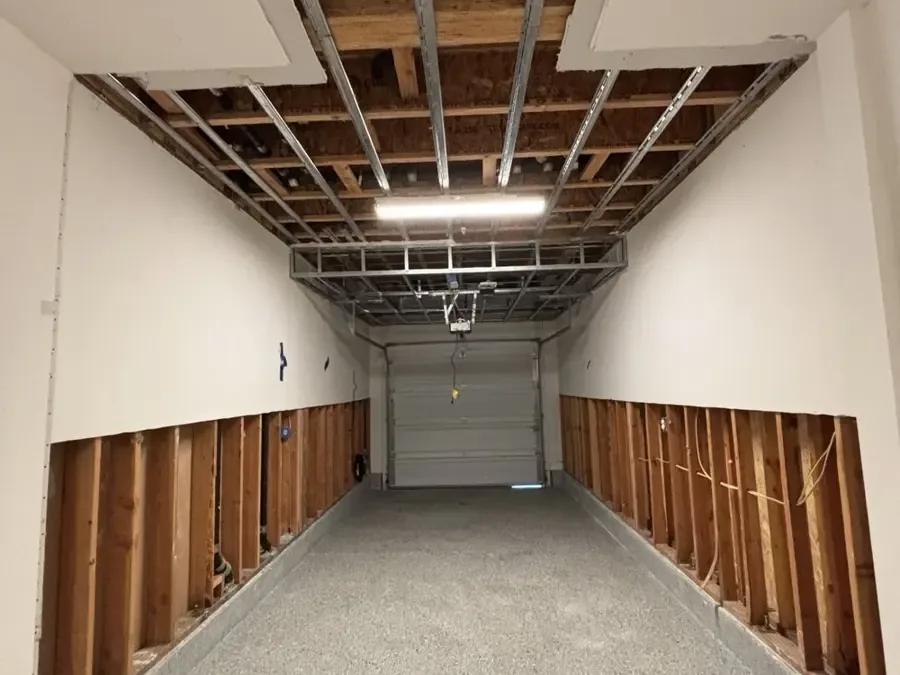
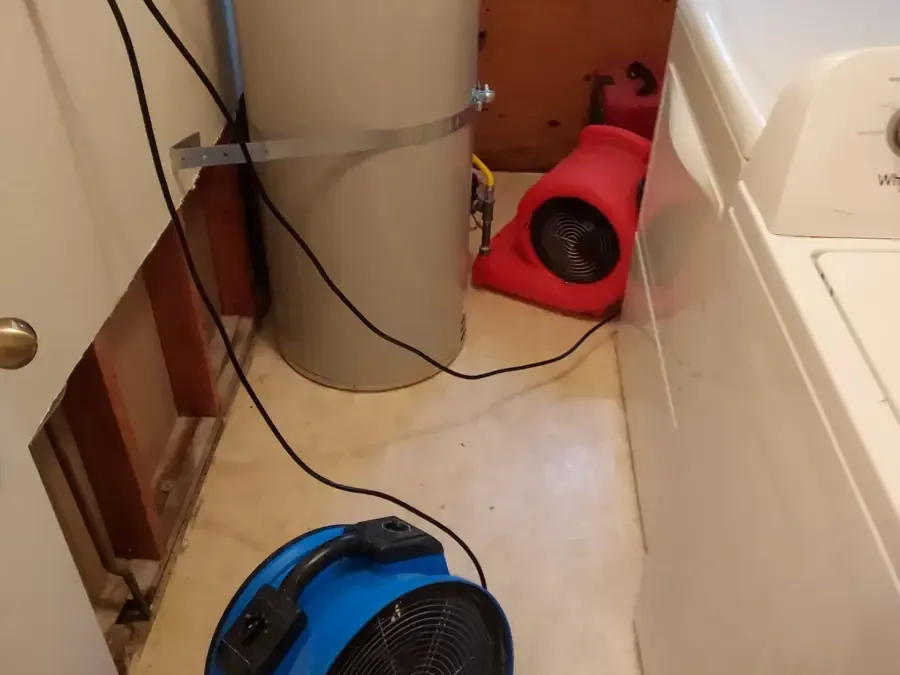
Storm flood cleanupWhat water damage cleanup looks like on site
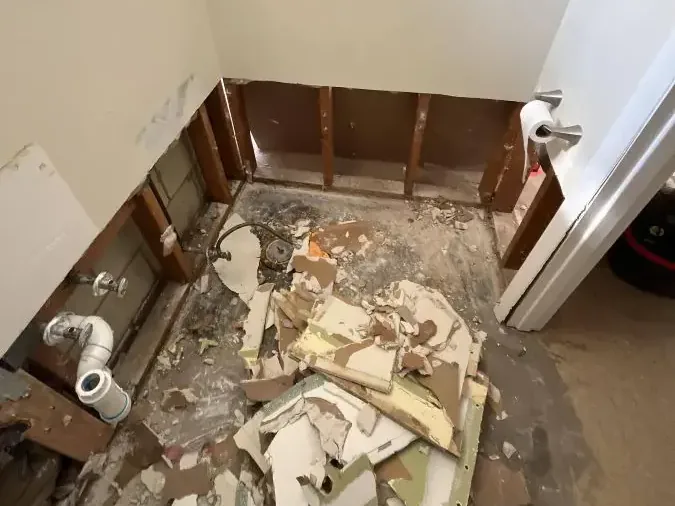
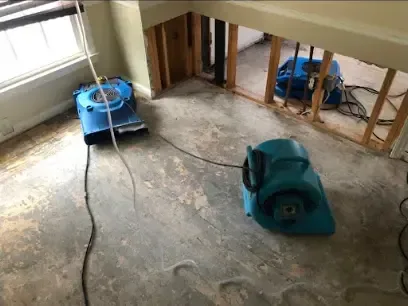
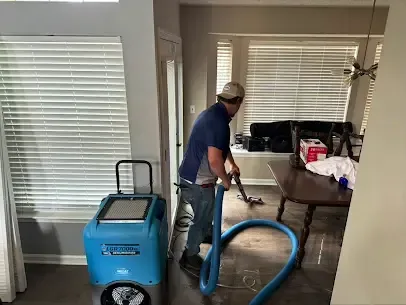
What a water loss usually costs here
Most jobs in a typical home land between $1,200 and $12,000 or more, depending on how much water there is, how clean it is, which rooms it reached and how far it spread through the structure.
One room, clean water
- Pump and wand extraction
- Air movers and one dehumidifier
- Wet baseboard removal
Finished basement, clean water
- Full lower level extraction
- Flood cuts on wet drywall
- Several days of drying
Finished basement, sewage or runoff
- Sanitizing of every surface
- Removal of porous materials
- Containment and air scrubbing
Prices shift with the size of the loss, the water category and the materials involved. Moisture logs and photos support the claim if insurance is involved.
A drying standard, not a guess
The crew follows the IICRC S500 drying standard, which sets how water is classed and how dry a wet structure must be before the equipment is pulled out.
Assess and classify
Meters and thermal imaging map the wet areas, and the water is put into a category and a drying class before any work begins.
Extract
Pumps and wands remove standing water, then carpet pad and soaked materials that cannot dry in place are cut out.
Dry and dehumidify
Air movers and low grain dehumidifiers are placed to pull moisture from the air, walls and floor until the readings settle.
Verify and document
Final readings are compared with a dry reference, and the logs and photos are saved for the adjuster.
Documentation an adjuster expects
Water damage claims move more smoothly when the loss is documented from the start, so the crew records the scene before and during the work.
- Dated photos of every wet room and surface
- Moisture readings taken on the first day
- A list of damaged belongings and furniture
- Notes naming where the water came from
- Equipment and material logs for each room
What the household can do
Report the loss to the insurance company early, and keep receipts for any emergency steps such as a plumber's shutoff, a hotel stay or a rental dehumidifier.
Keep damaged items until the adjuster has seen them, and photograph anything that has to be thrown away for safety reasons.
Water coming through a ceiling or up from a floor?
Tell the crew what happened, whether it is a split pipe in a wall or a basement taking on runoff, and extraction planning starts with the source and the standing water.
Photos of the wet area help, though they are not needed to get started.
(888) 902-1696Describe the damage to the crewWhere the crew works across Overland Park
Main roads and landmarks
Nearby service areas
Overland Park water risks through the year
Rain, creeks, freezing nights and public water mains all play a part. Overland Park sees 40.17 inches of precipitation in an average year, which keeps drains, pumps and roofs working.
- Wet springs. May averages 5.41 inches of rain and June 5.22, the two wettest months. Roofs, sump pumps and window wells all get tested, and water finds the weakest point.
- Creeks and runoff. Turkey Creek crosses the northern edge of the city, while Indian Creek, Tomahawk Creek, Coffee Creek and Wolf Creek feed the Blue River watershed. The Johnson County Stormwater Management Program funds flood risk reduction projects.
- Cold snaps. January nights average 20 degrees, and the record low is 22 degrees below zero. Pipes in exterior walls and unheated spaces can freeze, split and flood a home once the thaw comes.
- Clogged storm drains. Johnson County advises residents not to rake leaves into storm drains or the street, because leaves clog the pipes and can cause street flooding.
- Public main breaks. A 12-inch water main broke near Metcalf Avenue and 87th Street during icy weather and freezing pipes, and about 20 customers were affected.
July 24, 2024
Water main breaks closed 75th Street between Metcalf Avenue and Lamar Avenue on a Wednesday morning, one reminder that public pipes fail too.
Overland Park water damage questions
Water in the house now?
Describe what happened and the crew plans extraction and drying around the source, the water category, the rooms affected and the likely cost.
(888) 902-1696 Report the leak by phoneHow soon should water be removed from a house?
As soon as possible. Water soaks into drywall, subfloor and insulation steadily, and mold can start within 24 to 48 hours, so extraction and drying should begin once the water is found.
What causes water damage in Overland Park homes?
Plumbing failures, appliance leaks, roof leaks and heavy rain are the usual sources, and a public main break can add to the list. May and June are the wettest months, which keeps sump pumps and roofs busy.
Is a flooded basement an emergency?
Yes. Standing water keeps wicking into walls and floors, and it can hide electrical hazards. Stay out of the water, switch off power only if the panel is dry, and call for extraction right away. Details are under basement flooding cleanup.
Can wet carpet be saved?
Carpet that got clean water is sometimes dried in place, although the pad underneath is usually removed. Carpet soaked by gray or black water is normally discarded.
How long does drying take?
Several days in most homes, set by the materials, the humidity, the drying class and how deep the water went. Daily moisture readings decide when the equipment comes out, not a calendar.
Does homeowners insurance cover water damage?
Coverage depends on the policy and the cause. Sudden events such as a burst pipe are often treated differently from slow leaks or rising groundwater, so check the policy or ask the insurance company.
What should be done after a pipe splits?
Shut off the water at the main valve, switch off power to wet areas if that is safe, take photos and call for extraction before the water spreads to other rooms.
Are sewage backups handled differently?
Yes. Sewage is black water, so the crew wears protective gear, removes porous materials such as carpet, pad and wet drywall, and sanitizes every surface it touched, as laid out under sewage backup cleanup.
Does the crew work nights and weekends?
Water losses do not wait for business hours, so the crew works nights, weekends and holidays whenever a household reports a loss.
When is a water loss too big for a do it yourself fix?
When water covers more than a small area, has stood for a while or came from a drain or outside, it needs professional extraction and drying, because hidden moisture in walls and floors causes the later damage.
Water damage in Overland Park does not wait, and neither should the cleanup
Describe the loss to the restoration team and extraction planning can begin right away.
(888) 902-1696Get help with the water now