Water Damage Restoration Prairie Village, KS
Rain that pours over the Mission Road low spot, a floor drain pushing up sewage or a pipe that split on a January night: the restoration team extracts it and dries the house to readings.
(888) 902-1696Start pulling the water out of the basementClose the main valve if you can reach it safely, keep away from outlets in standing water, then call.
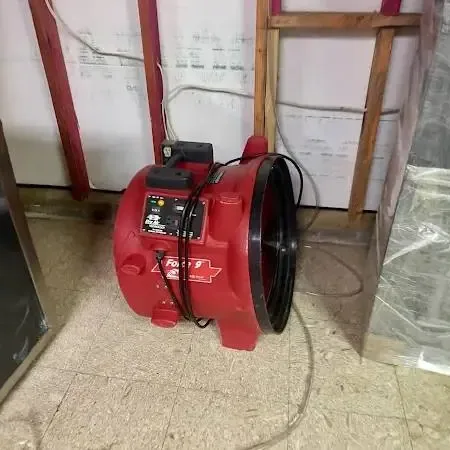
What to do as soon as water shows up indoors
- Close the main
Shut the main valve, often beside the water meter in the basement, or the valve at the fixture that failed.
- Kill power to wet circuits
When water reaches outlets or cords, switch off that breaker, but only while standing on a dry surface.
- Watch the floor drain
Water coming up through a basement floor drain is likely sewage, so keep people and pets away from it.
- Photograph everything first
Take wide and close shots of the water, its source and anything damaged before moving it.
- Call while it is still on the surface
Water wicks into drywall and pad quickly, and extraction that starts early saves more materials.
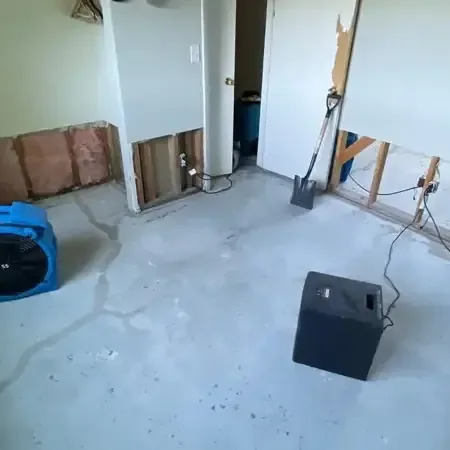
Water Damage Services for Prairie Village, KS Homes
Every service below covers water and sewage only, from pumping a basement floor dry to the final moisture reading on a joist, for homes across the 66208 ZIP.
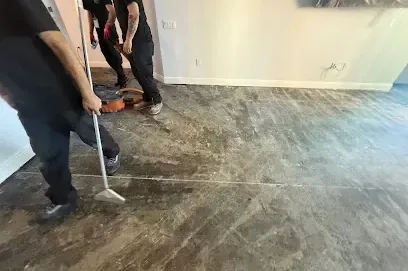
Water Extraction and Removal
Standing water pulled from carpet, pad and basement concrete with truck-mounted units before it climbs the drywall.See the service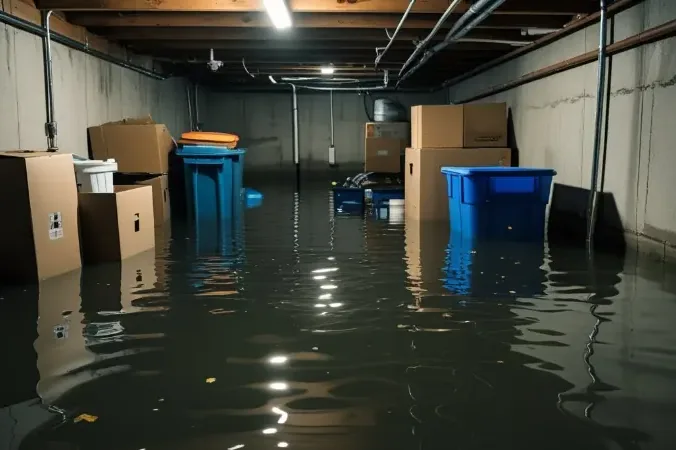
Basement Flooding Cleanup
Wet lower levels extracted, soaked pad lifted and framing behind finished walls dried through small openings.See the service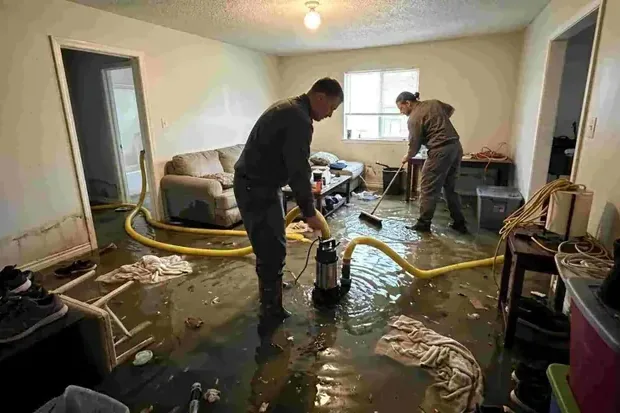
Sump Pump Failure Cleanup
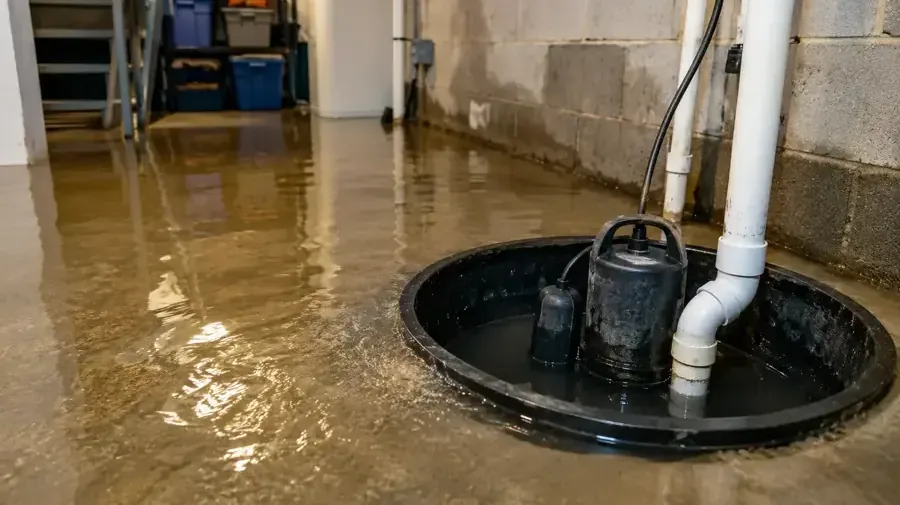
An overflowing sump pit after a stalled pump or lost power, extracted and dried before carpet and walls absorb it.See the service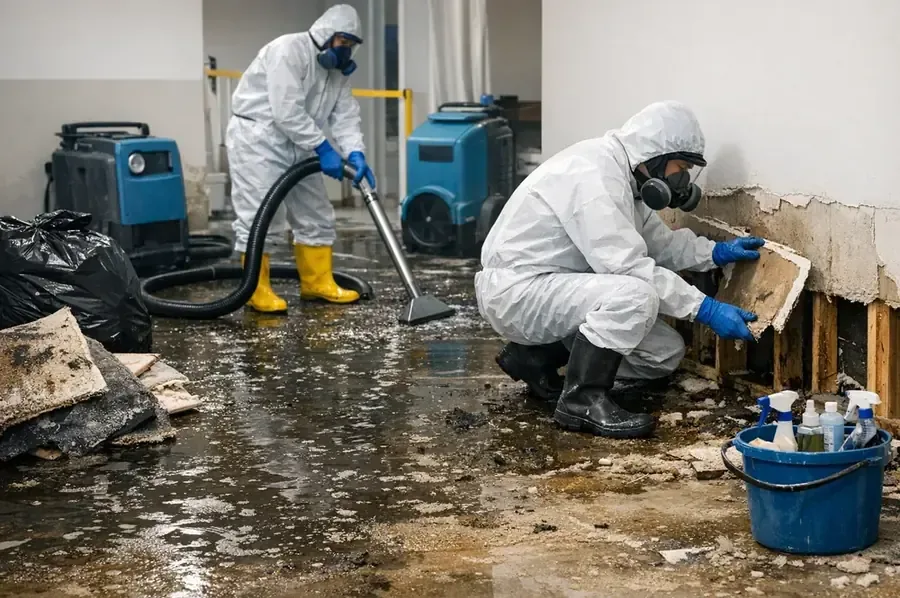
Sewage Backup Cleanup
Sewage pushed up through a floor drain or toilet handled as Category 3, with soaked porous materials removed.See the service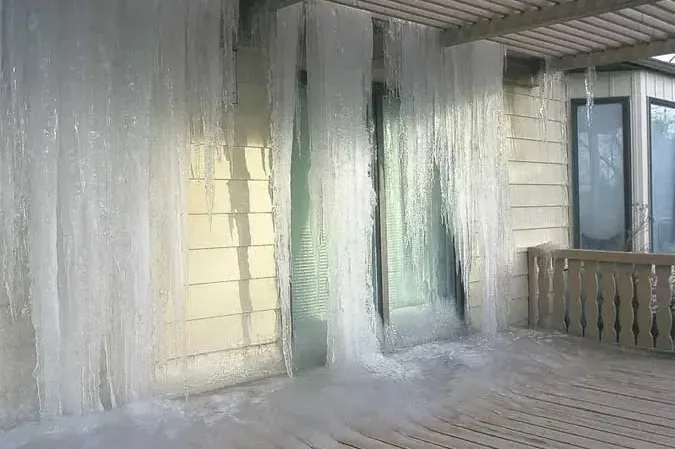
Frozen Pipe Water Damage
Pipes that freeze inside outside walls on bitter nights split, and the wet cavities are opened and dried.See the service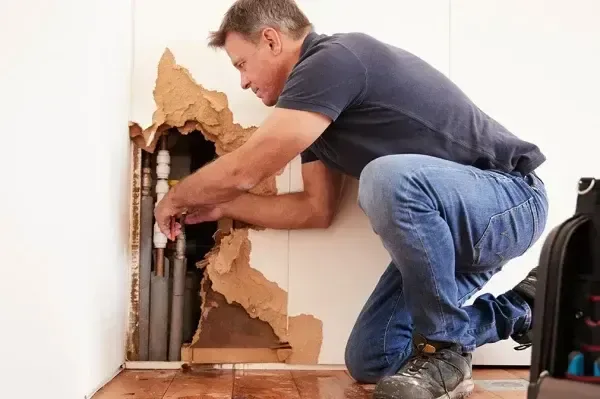
Burst Pipe Water Damage
Supply pipes that fail under pressure inside walls or ceilings, traced with meters and dried to readings.See the service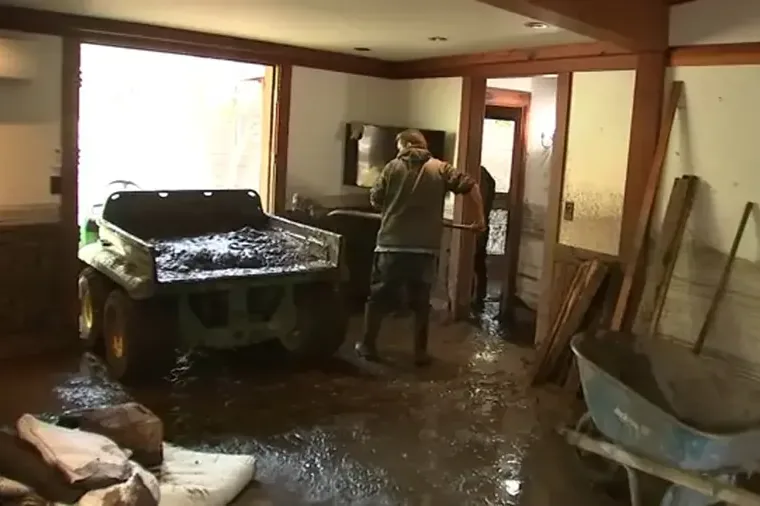
Storm and Flash Flood Cleanup
Heavy-rain runoff through window wells and doors treated as Category 3, cleaned out and dried.See the service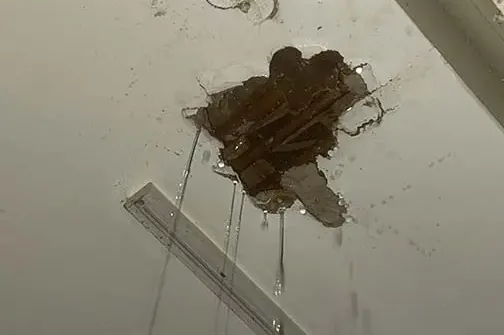
Roof Leak Water Damage
Leaks at flashing, valleys and vents after hard rain or hail, with wet insulation pulled and ceilings dried.See the service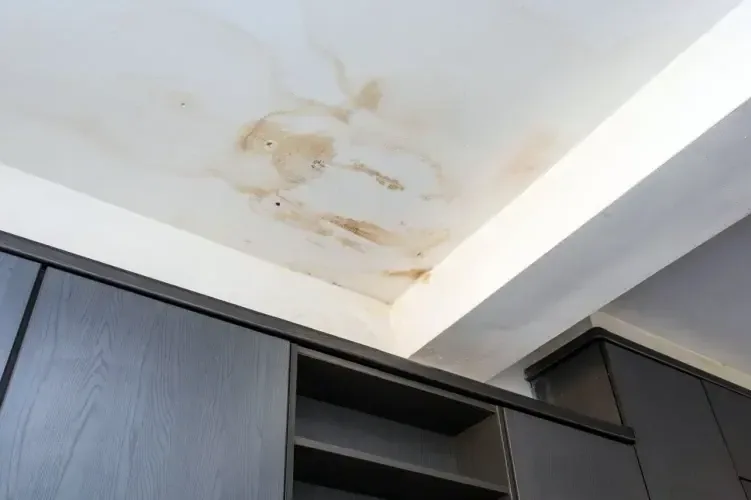
Ceiling Leak Water Damage
Bathroom and supply leaks above a ceiling located with thermal imaging, opened safely and dried.See the service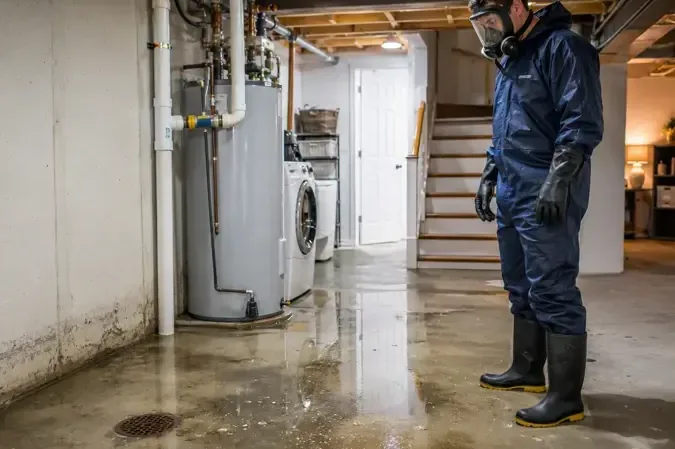
Water Heater Leak Cleanup
A rusted-through tank in a basement or garage extracted before carpet, drywall and stored boxes soak.See the service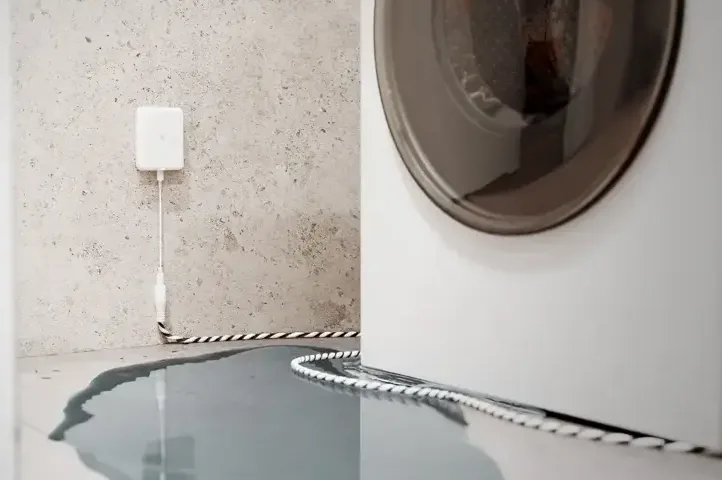
Appliance Leak Water Damage
Washer, dishwasher, ice maker and toilet supply leaks dried out from under floors and cabinets.See the service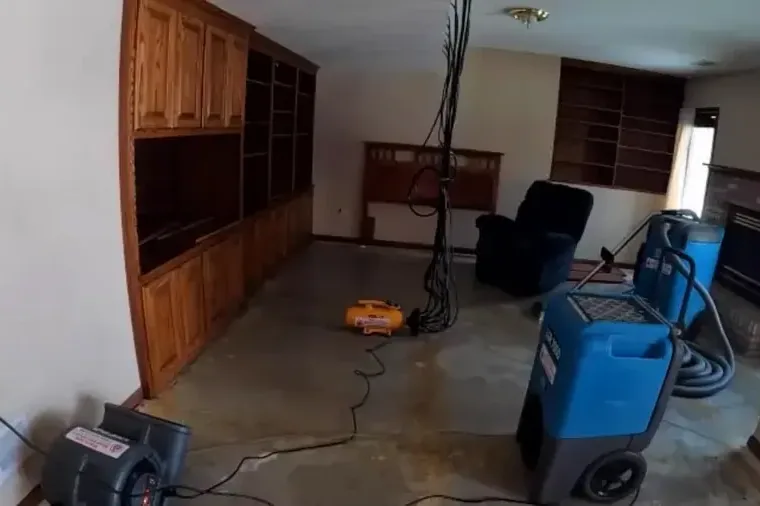
Structural Drying and Dehumidification
Framing, subfloor and concrete dried until meter readings sit within 2 to 4 points of a dry reference.See the serviceHow the response team works in northeast Johnson County
Each job follows the IICRC S500 standard: water is mapped before setup, equipment is sized to the class of loss, and nothing leaves until meters confirm dry.
Urgent at any hour
Active water is handled as urgent day or night, holidays included, because a soaked basement keeps wicking water upward until extraction starts.
Mapping before equipment
Moisture meters and thermal imaging trace where water moved under carpet, behind baseboards and into framing before any air mover goes down.
A file the adjuster can use
Each loss gets dated photos, a daily log of temperature and humidity readings and a moisture map, plus the category and class, all kept for the adjuster.
Basements and floor drains
Sump pits, floor drains, sewer connections and pipes inside outside walls are the usual weak points in older Johnson County homes.
How the kind of water decides what gets saved
Clean supply water
A split supply pipe, a failed water heater or a washer fill hose begins as Category 1, and quick drying often saves carpet and drywall.
Frozen pipe water damageGray water
Discharge from a washer or dishwasher and water spilling out of a sump pit generally count as Category 2, so the pad is pulled and surfaces are treated with an antimicrobial.
Sump pump failure cleanupBlack water
Sewage from a floor drain and creek or street runoff are Category 3, and every porous material the water touched is removed.
Storm and flash flood cleanupWhat extraction and structural drying look like in a house
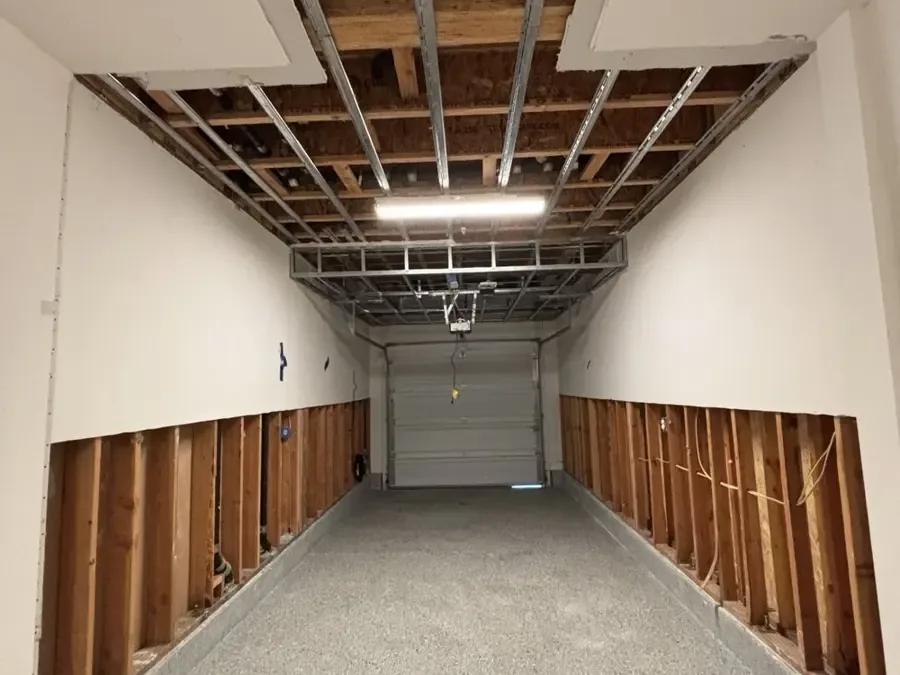
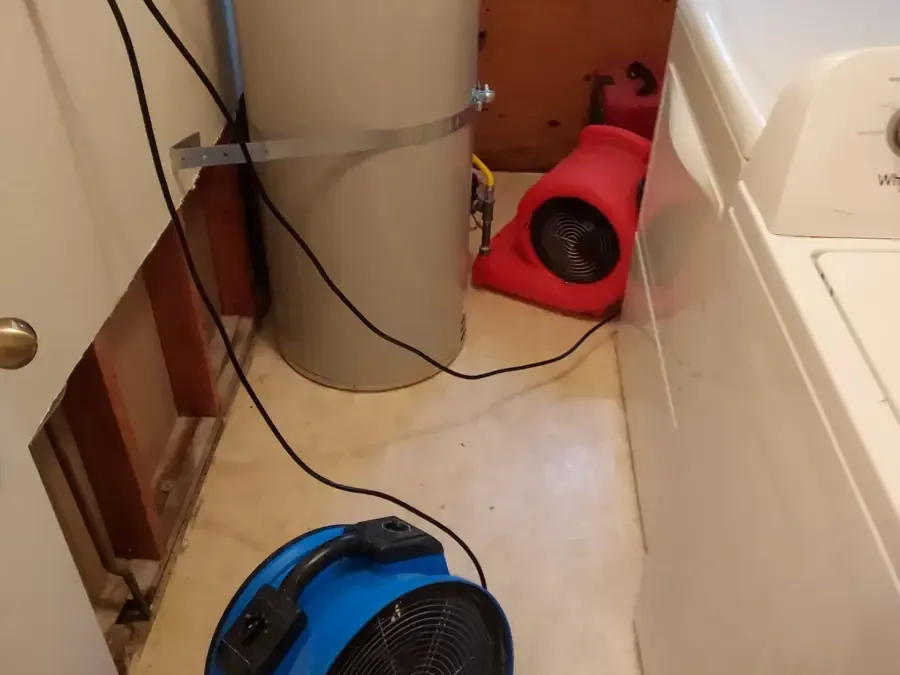
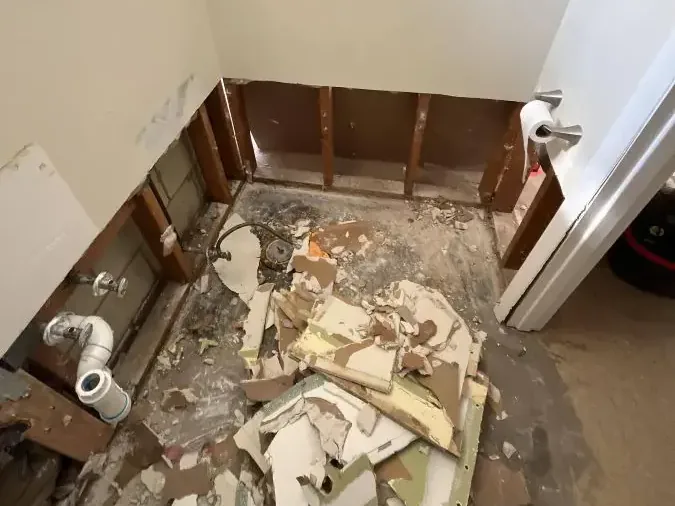
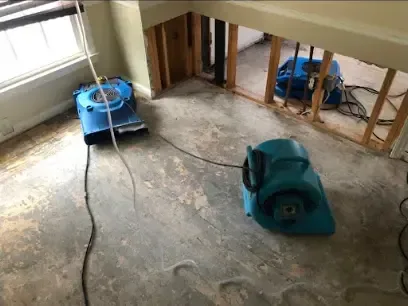
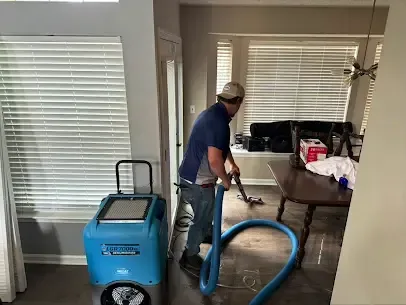
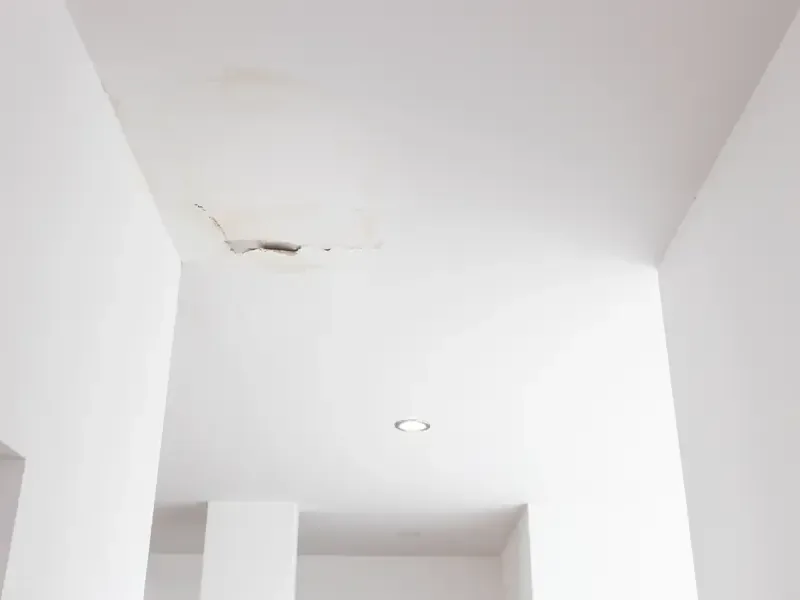
What does water damage restoration cost in Prairie Village, KS?
Across this area, most water damage restoration bills land somewhere from $1,200 to $12,000 or above. Water category, the square footage involved, material class and the speed of the first drying all shift it, with finished basements near the high end.
One room, clean water
- Category 1 supply water
- Extracted and dried in place
- Three or four days of readings
Finished basement, clean water
- Pad and lower drywall
- A full lower level
- LGR dehumidifiers and air movers
Sewage or runoff in the basement
- Category 3 water
- Removal and antimicrobial
- Containment and structural drying
Treat these as planning figures rather than a quote, since the walkthrough and the moisture map decide the actual scope. The water damage cost calculator narrows the range first.
Dry is a meter reading, not a guess
A floor can feel dry while the framing, subfloor and drywall core still hold water. The drying team reads wet materials against a dry reference in the same house and runs equipment until they match.
Inspect and map
A technician locates where the water started, assigns the category and class and outlines the wet area on floors and walls using meters and thermal imaging.
Extract
Truck-mounted or portable units pull standing water from carpet, pad and concrete, because removing liquid beats evaporating it by a wide margin.
Dry and monitor
Air movers and LGR dehumidifiers run inside a closed drying zone, with readings logged daily so the setup can be adjusted.
Confirm dry
Readings have to land within 2 to 4 points of the reference material before any equipment is removed and repairs start.
What an adjuster expects to see
Claims are settled on documentation, so the restoration team records the loss as the work happens and the file matches the damage before anything is removed.
- A moisture map of where the water traveled
- Daily psychrometric logs of temperature and humidity
- Timestamped photos taken before any demolition
- The category and class of the water loss
- A line-item scope of each task and material
Read your own policy
Kansas homeowners policies frequently pay for sudden, accidental water such as a split pipe or a failed tank once the deductible is met, but slow leaks are treated another way.
Creek or street water generally falls under a separate flood policy, and sewer or sump backup tends to need an added endorsement, so confirm with your agent.
One call reaches the response team, day or night, all week
Day or night, weekend or holiday, active water gets urgent handling. Expect questions about where the water started, which rooms are wet and whether the main valve is closed.
From there, a crew sets out with pumps, extractors, meters and drying equipment.
(888) 902-1696Report a wet basement or ceiling nowWater damage restoration across Prairie Village and its neighborhoods
Neighborhoods and streets
Nearby cities
Why Prairie Village homes take on water
J. C. Nichols developed the city on former farmland. It was platted in 1941 and incorporated in 1951, and in 1949 the National Association of Home Builders named it the best planned community in America.
- Brush Creek and the Mission Road low spot. Mission Road runs beside Brush Creek, and for decades water rose over the road at 68th Street and into basements when heavy rain fell fast. A $4.4 million flood control project finished in spring 2024 raised the road nearly five feet. See basement flooding cleanup here.
- Heavy rain on short notice. Torrential rain on July 1, 2024 dropped about half a foot of water on parts of Johnson County, and the mayor heard of water reaching basements in other areas of the city.
- Sewer backups. Johnson County Wastewater owns and runs the sanitary sewer, and the city points residents with a backup to its Backup Prevention Program. Water rising from a floor drain is Category 3, covered under sewage backup cleanup.
- Pipes between the house and the street. The city's Utilities page says residents are responsible for the sewer and water pipes that run from the house to the utility connection.
- Cold winter nights. The local climate table lists a January mean low of 20 degrees and a record low of 22 below zero, cold enough to freeze and split pipes inside outside walls.
Summer 2017
Heavy flooding beside Brush Creek inundated homes along 68th Street, where Mission Road dips to a natural low spot.
Water damage questions from Prairie Village homeowners
Water spreading across the floor?
Close the main, stay away from outlets near the water and call. Getting extraction started early keeps a wet room from turning into a rebuild.
(888) 902-1696 Send the extraction crew overHow quickly can help reach Prairie Village after water gets in?
Calls about active water get treated as urgent around the clock, holidays too. Timing depends on which crew is closest and on traffic and weather, and an arrival window is shared during that first conversation.
Did the Mission Road project end basement flooding near Brush Creek?
It targeted that stretch. The $4.4 million project raised Mission Road nearly five feet between 67th Street and Tomahawk Road, and city officials said the Brush Creek channel performed well on July 1, 2024. The mayor still heard of water reaching basements elsewhere in the city.
Who handles a sewer backup coming up through the floor drain?
Johnson County Wastewater owns the sanitary sewer, and the city points residents to its Backup Prevention Program. The restoration team handles the water inside: Category 3 removal, an EPA-registered antimicrobial and structural drying.
Does homeowners insurance cover a flooded basement?
It depends on the source. A split pipe is often covered after the deductible, sump or sewer backup usually needs an endorsement and creek or street flooding needs flood insurance. Check your own policy.
How long does a wet basement take to dry?
Clean water pulled up fast often leaves a basement dry in three to five days. Carpeted, drywalled lower levels or slabs that sat soaked for several days need longer, and the meters, not the calendar, end the job.
What is the IICRC S500 standard?
S500 is the published industry procedure for water losses. It explains how to classify the water and the loss, where drying equipment should go and how to prove materials have reached dry.
What should I do before the crew arrives?
Shut the main, keep clear of standing water near outlets, take photos and move rugs and light furniture off wet flooring when it is safe. Skip the household vacuum, which is not built for standing water.
When does wet drywall have to be removed?
If clean water reached the drywall and extraction began quickly, small holes or short cuts usually let it dry where it hangs. Drywall that sewage or floodwater touched is removed, along with any soaked insulation.
Why are sewage backups handled differently?
Sewage brings bacteria and viruses into the house, so it is Category 3 from the start. Technicians suit up, seal the area with plastic, cut out porous materials the sewage reached and apply an EPA-registered antimicrobial ahead of drying.
How is the cost of a dry-out worked out?
Four things drive the price: how dirty the water is, how much floor and wall got wet, what those materials are and how many days the equipment runs. Contaminated water adds tear-out, hauling and containment.
Water spreading through a Prairie Village basement? Start the extraction now.
Water is pulled up, the structure dried to verified readings and the claim file built along the way.
(888) 902-1696Start the dry-out on your street