Water Extraction in Overland Park, KS
Storm runoff, a split pipe or a failed appliance can leave inches of water across a floor. The extraction crew pulls it out first so drying can begin on a clear surface.
(888) 902-1696Get the water off the floor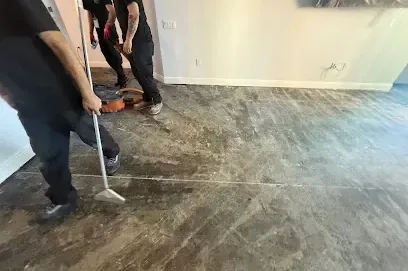
First steps for water extraction and removal
- Find the source
The crew stops or isolates the water and checks how far it spread.
- Extract the standing water
Pumps and wands remove surface water, then lift it from carpet, pad and floor cracks.
- Remove what cannot dry
Pad, wet baseboard and soaked insulation are cut out.
- Set the drying plan
Air movers and dehumidifiers go in, and readings are logged for the next visit.
What does water extraction and removal cost in Overland Park, KS?
Water extraction runs from $1,200 to $3,000 for one room of clean water, and up to $5,500 to $8,000+ for a whole floor or gray water. Depth, water category and materials set where a job lands.
One room, clean water
- One room extracted
- Air movers set
- Baseboard checked
Several rooms or a lower level
- Several rooms pumped
- Pad and carpet lifted
- Dehumidifier added
Whole floor or gray water
- Whole level extracted
- Gray water precautions
- Extended drying and sanitizing
Ranges are typical, not a quote: category of water, square footage, material class and how fast drying started move the number most. Run the water damage cost calculator for a closer range.
How water extraction and removal is handled, start to finish
Moisture is mapped before any equipment goes down, so the drying plan matches what is actually wet, and the equipment stays until the readings say dry.
Assess
Moisture meters and thermal imaging map every wet surface and cavity.
Extract
Pumps and wands remove the standing water and soaked pad.
Dry
Air movers and dehumidifiers pull moisture from walls and floors.
Verify
Final readings are checked against an unaffected area before equipment leaves.
Water that sits on a floor keeps moving into drywall, padding and subfloor. In Overland Park it comes from storm runoff, a failed supply pipe or an appliance leak, and extraction is the step that stops the spread before drying begins.
How the extraction crew works
Technicians first find the source and stop it, then judge how deep and how wide the water has gone. Truck mounted pumps clear the standing water, and weighted wands pull moisture out of carpet and pad. Soaked materials that cannot dry in place are cut out and bagged. Once the surface is clear, structural drying takes over.
Extraction takes standing water out of floors, carpet and lower levels with pumps and wands, which decides how much of the structure can be saved.
Get the water off the floorWhat comes out and what stays
Not every wet material is lost. The crew sorts items by how long they stayed wet and how clean the water was.
- Standing water from floors, stairs and lower levels
- Saturated carpet pad and loose insulation
- Baseboard and drywall wet above the waterline
- Clean hardwood and tile floors, which are often dried in place
Why local conditions matter
The city averages 40.17 inches of precipitation a year, with May and June the wettest months. Public pipes fail as well: on July 24, 2024, water main breaks closed 75th Street between Metcalf Avenue and Lamar Avenue. Whatever the source, the first job is the same, and when it reaches the lower level the work moves into basement flooding cleanup.
Before the crew starts
Stay out of rooms with standing water near outlets, lift small items onto dry surfaces and take photos of the damage. Shut off the water at its source when that is safe.
Water extraction and removal across Overland Park and nearby communities
The extraction crew works across Overland Park, including Historic Downtown, the Shawnee Mission area north of 159th Street and the blocks around Metcalf Avenue and Oak Park Mall.
The same service nearby: water extraction and removal in Leawood, Prairie Village, Merriam.
Water damage restoration in Overland Park · every town covered
Water Extraction and Removal questions in Overland Park, KS
Water Extraction and Removal help, around the clock
Standing water on the floor right now? Describe it and extraction can be planned.
(888) 902-1696 Get extraction answersWhat is water extraction?
Extraction is the removal of standing and soaked in water with pumps, wands and vacuums before drying begins. It comes first because drying equipment cannot work well against pooled water.
Can wet carpet be saved?
Carpet that got clean water is sometimes extracted and dried in place, while the pad underneath is usually removed. Carpet soaked by gray or black water is normally discarded.
How much water can the equipment remove?
Truck mounted units move large volumes quickly, and wands then pull what is left from fibers and seams. Moisture that remains in walls and wood is handled by drying.
What if the water came from outside the home?
Water that comes from outside or from a drain is treated as contaminated, so the crew uses protective gear and removes materials that cannot be cleaned.
Is extraction covered by insurance?
Coverage depends on the policy and the source of the water. The crew records photos and moisture readings that an adjuster can use.
When should extraction start?
As soon as the water is found. Wet drywall and subfloor break down steadily, and mold can begin within 24 to 48 hours.
Get the water out before it spreads further
The extraction crew works nights, weekends and holidays. Describe the loss and the pumps, wands and drying equipment can be lined up for your floors.
(888) 902-1696Pull the water out now