Water Damage Restoration Mission, KS
Water from a failed pipe or heavy rain soaks into subfloors and wall cavities fast. The Mission restoration team pulls it out, dries the structure and records the loss for the claim.
(888) 902-1696Call a Mission water crew nowName the water source on the call, whether a pipe, a drain or storm runoff, so the right equipment is loaded.
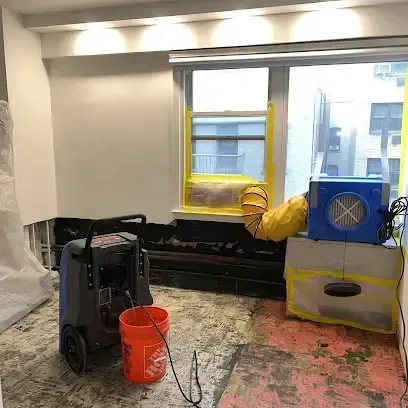
What to do before the crew starts work
- Stay clear of the water
If water reaches outlets, cords or appliances, keep everyone out of the room until the power to that area is off.
- Stop the source
Close the shutoff valve for a supply pipe or appliance. Rain and sewage cannot be stopped, so go straight to the next step.
- Lift what is dry
Move rugs, electronics and paper off wet floors into a dry room before they soak up moisture.
- Take photos
Photograph the water, the wet rooms and damaged belongings from several angles before anything is removed.
- Call the drying team
Describe the source and the floors affected so the crew can load the right pumps and equipment.
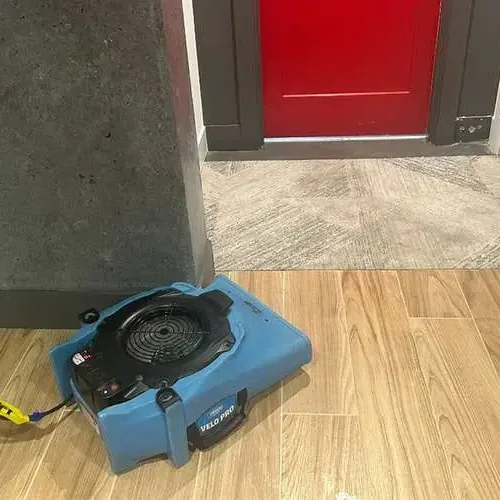
Services for every kind of water loss
Basement flooding, pipe breaks, sewage backups, roof and ceiling leaks and appliance failures each need a different first move, so the crew sorts every job by where the water came from.
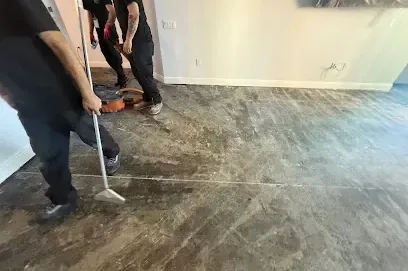
Water Extraction and Removal
Pumps, wands and weighted extractors lift standing water and wet carpet moisture before any drying equipment is set.See the service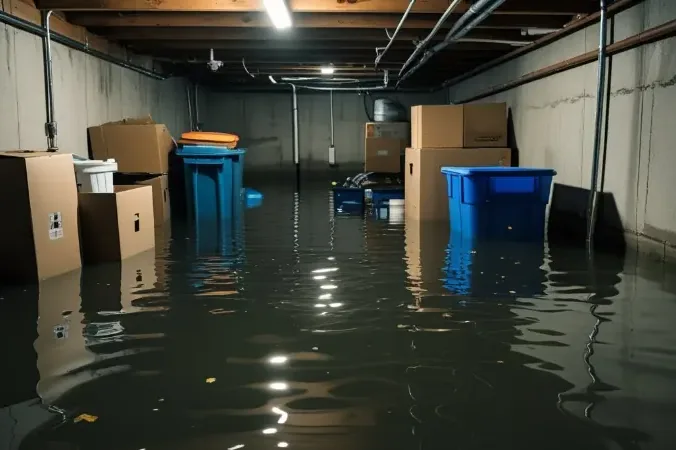
Basement Flooding Cleanup
Lower levels hold water longest, so the crew finds the source, pulls the water and strips ruined finishes.See the service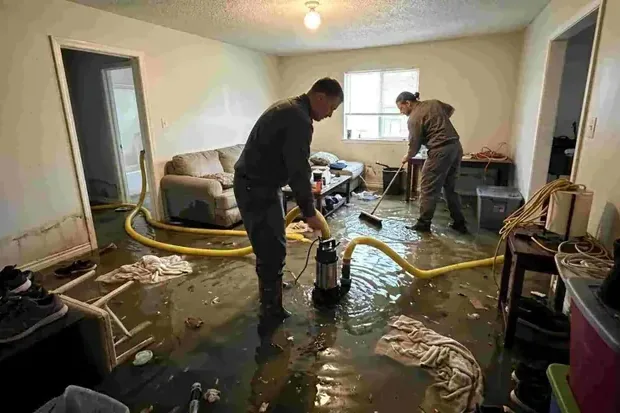
Sump Pump Failure Cleanup
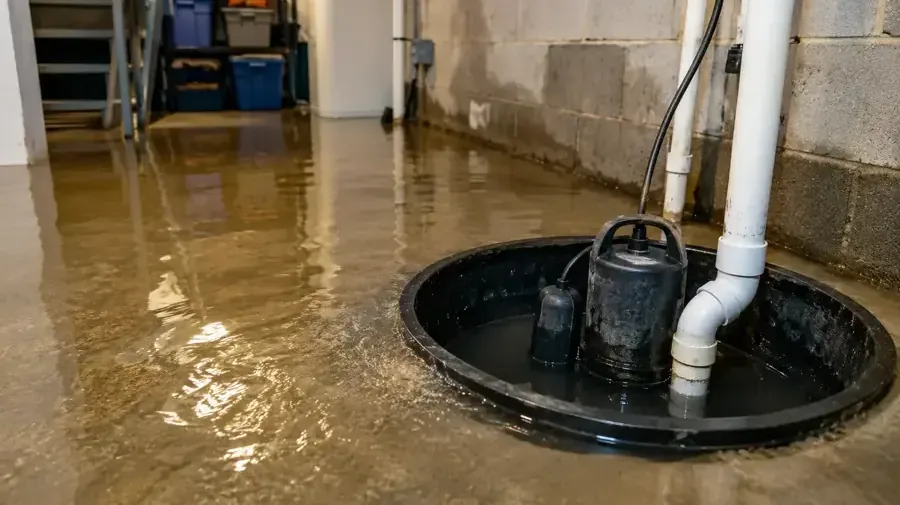
When a pump stops or cannot keep pace, the pit overflows and cleanup starts with the wet floor.See the service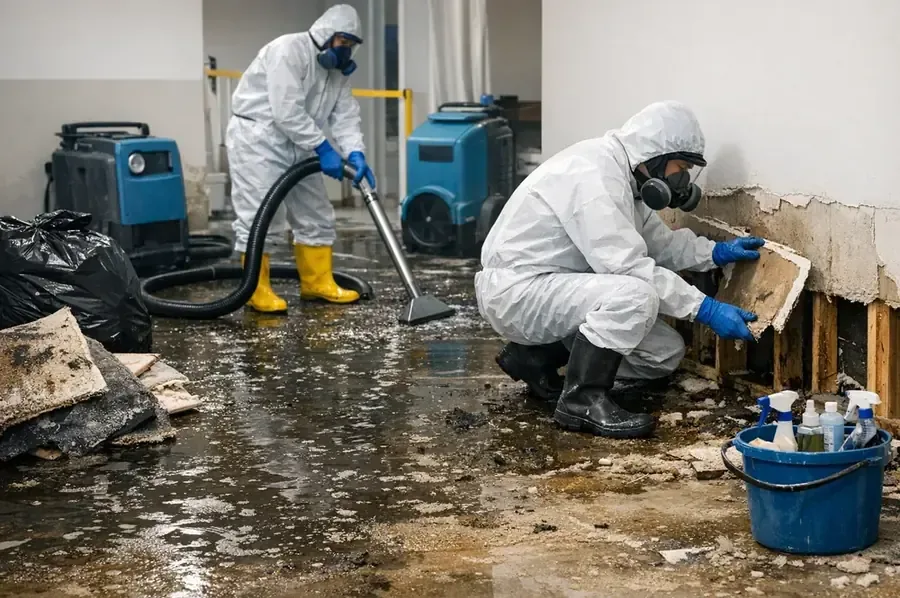
Sewage Backup Cleanup
Contaminated drain water is removed in protective gear, then affected surfaces are cleaned and sanitized.See the service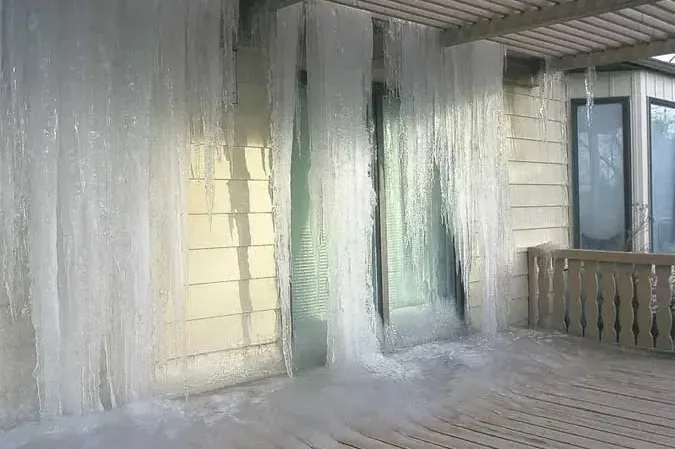
Frozen Pipe Water Damage
A pipe that froze and split floods after the thaw, so damage often hides inside the wall first.See the service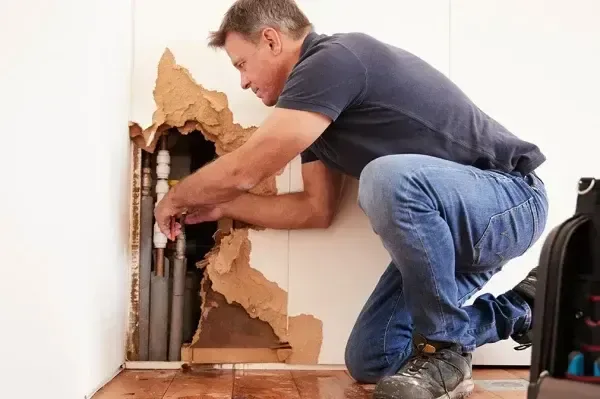
Burst Pipe Water Damage
A burst supply pipe pours water into walls and ceilings, so extraction and opening the wet cavity come first.See the service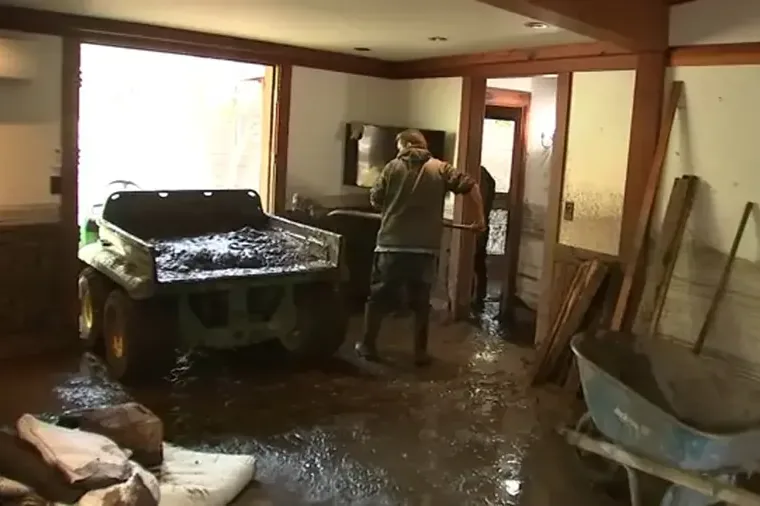
Storm and Flash Flood Cleanup
Runoff brings mud and silt with the water, which changes how floors and lower walls are cleaned.See the service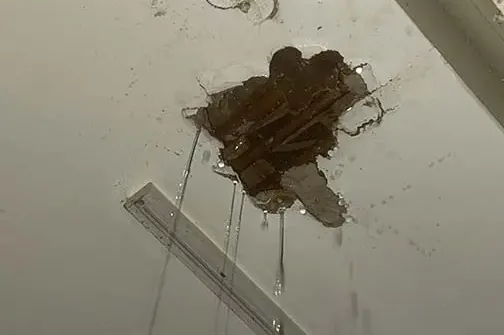
Roof Leak Water Damage
Rain that gets past shingles or flashing soaks attic insulation first, then the ceiling below it.See the service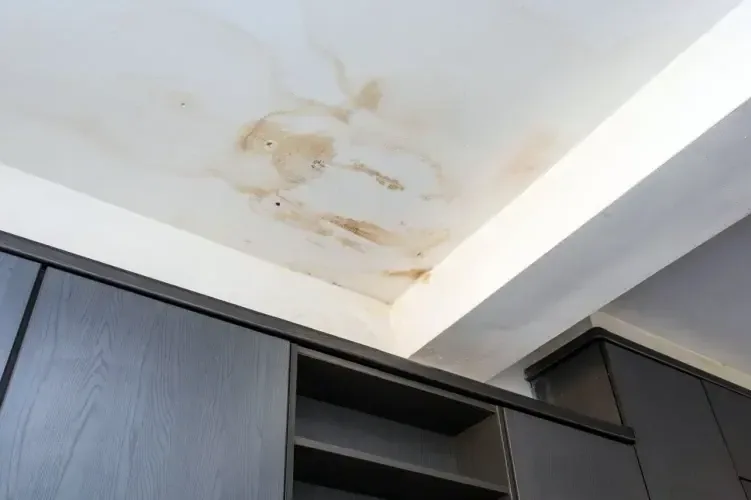
Ceiling Leak Water Damage
A brown ceiling stain means water is trapped above, so the crew checks the cavity before repainting.See the service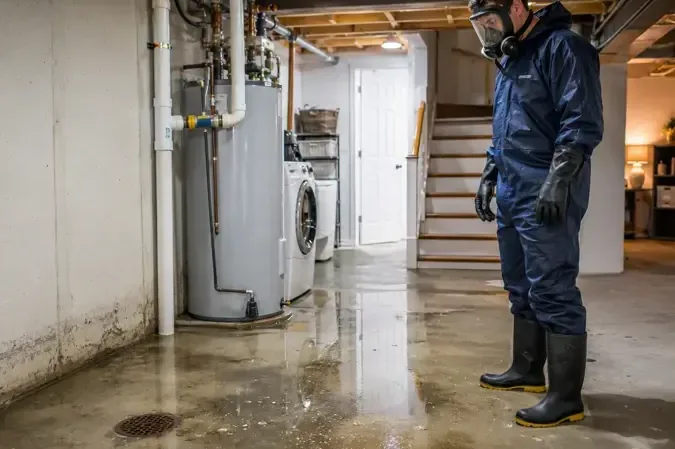
Water Heater Leak Cleanup
A failed tank spills across the floor and soaks the base of nearby walls and stored boxes.See the service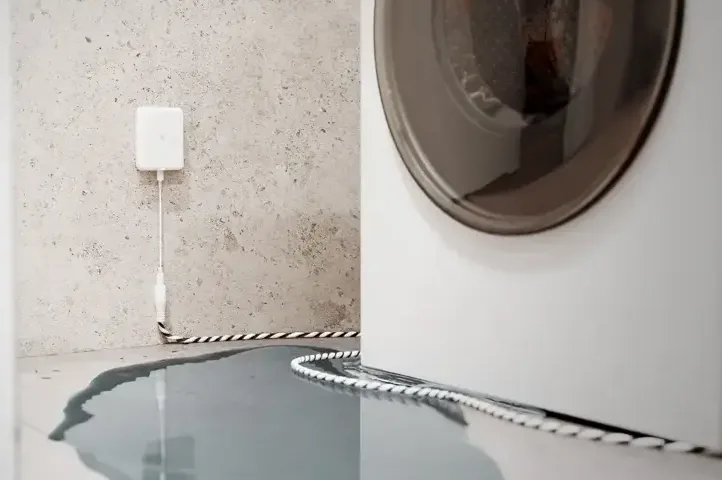
Appliance Leak Water Damage
Washer, dishwasher and fridge hoses leak behind the appliance, so cabinets and subfloor are checked with a meter.See the service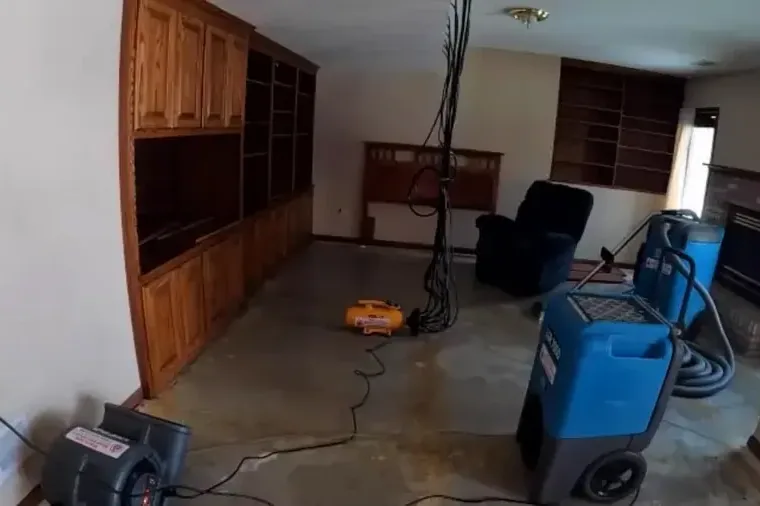
Structural Drying and Dehumidification
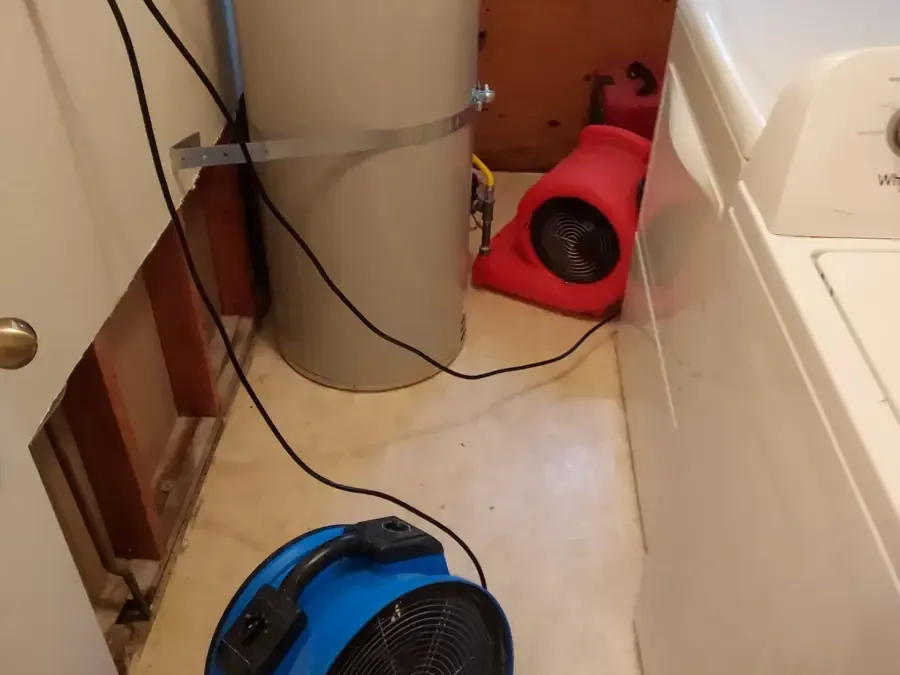
Air movers and dehumidifiers work on framing, subfloor and concrete until a meter shows them dry.See the serviceWater removal planned around the source
Drying work is judged by moisture readings, not by how a surface looks, so the crew records numbers at the start and again before equipment leaves.
Water and sewage only
The scope stays on water and sewage losses: extraction, drying and cleanup of the wet structure and the contents inside it.
Readings, not guesses
A moisture meter and thermal camera show where water traveled, including spots that look dry on the surface.
Records for the claim
Photos, moisture logs and equipment notes are kept in order so an adjuster can follow what happened and why.
Open at any hour
Water does not wait for business hours, so the crew works on a loss whenever the call comes in, night or weekend.
Three situations behind most water calls
Winter pipe splits
Cold weather can crack a pipe in an exterior wall, and the flooding begins as the pipe thaws. Drying then has to reach inside the wall cavity.
Frozen pipe cleanupPump trouble
A pit that overflows sends groundwater across the basement floor. Johnson County Wastewater also lists window well leakage and surface water as separate basement water sources.
Sump pump cleanupHeavy rain
Extremely heavy rain has brought basement flooding to some Johnson County homeowners, according to the county, and storm runoff carries silt into lower rooms.
Storm flood cleanupEquipment and conditions on water damage jobs
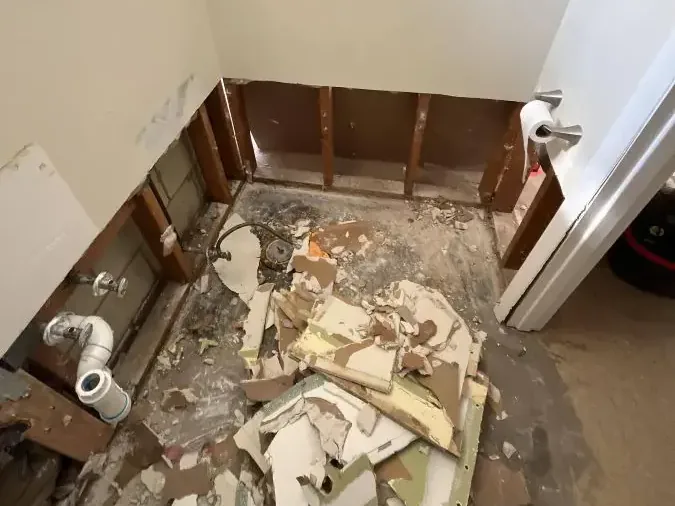
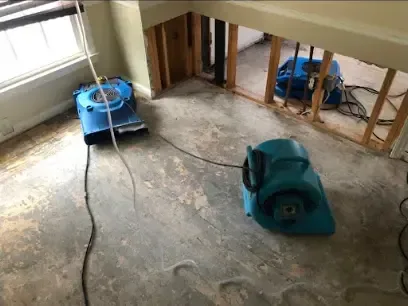
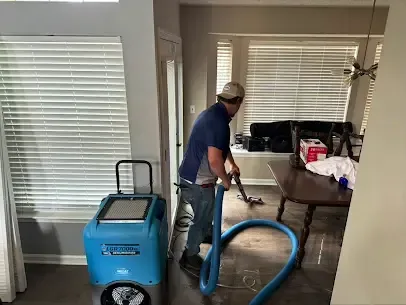
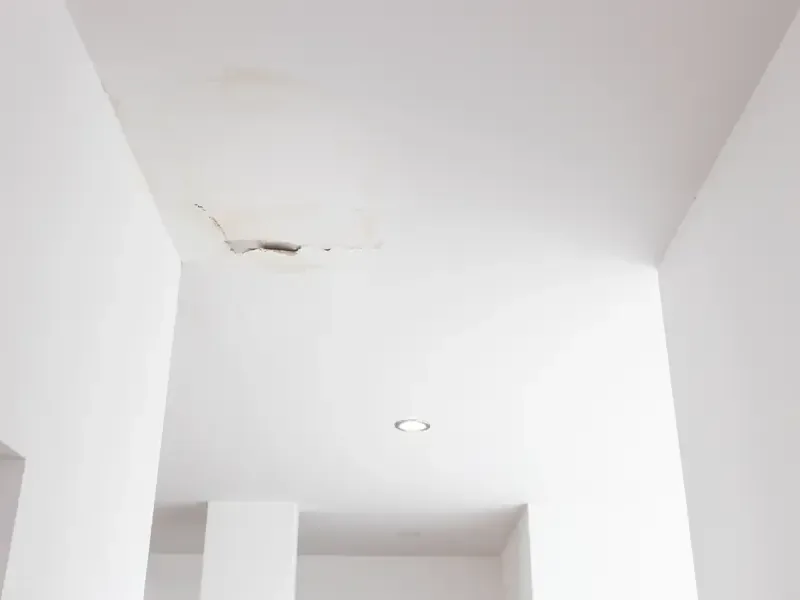
What water damage cleanup tends to cost
Price follows square footage, the type of water and how many floors are wet. A small clean water job sits at the low end, and a sewage loss in a finished basement sits at the top.
One room, clean water
- Single room affected
- Standing water extracted
- Air movers dry the floor
Finished basement, clean water
- Whole lower level wet
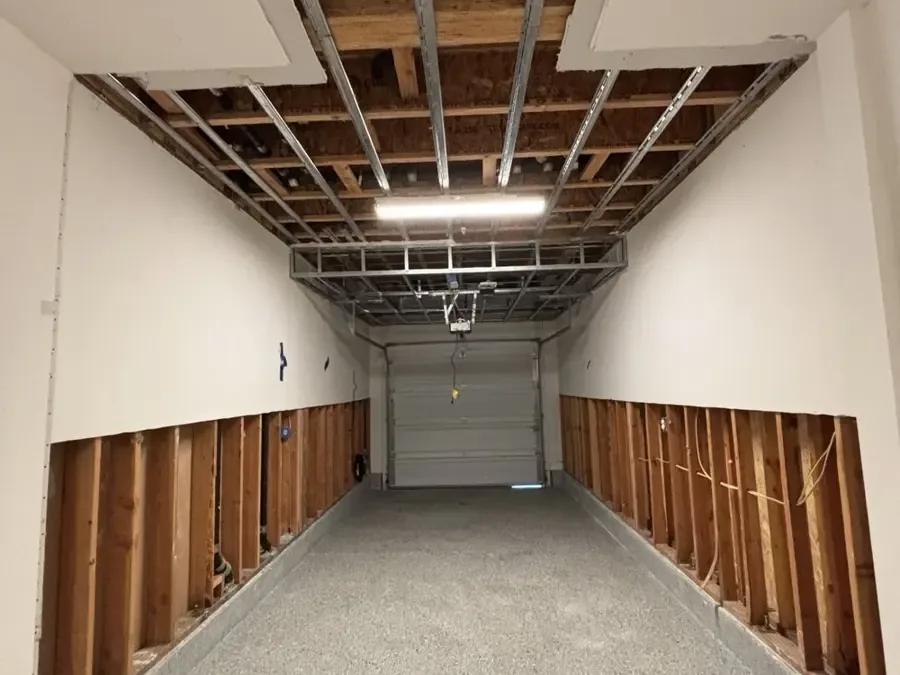
- Wet drywall cut back
- Several days of drying
Finished basement, sewage or runoff
- Contaminated materials removed
- Surfaces cleaned and sanitized
- Wide or repeat loss
These ranges are planning figures, not quotes. The final number follows measured moisture, the materials involved and how many days of drying the structure needs.
A drying standard built on measurements
Every job starts with a meter reading and ends with one. In between, the crew extracts, removes what cannot dry, sets equipment and checks the walls and floor again until the numbers settle.
Find the source
The crew traces the water back to the broken pipe, failed appliance, leaking roof or drain so the loss cannot keep growing.
Extract
Pumps and wands remove standing water, then extractors work the carpet, pad and hard floors until nothing more comes up.
Dry the structure
Air movers push dry air across surfaces while dehumidifiers pull moisture out of the room air and out of the building.
Verify
Readings are taken in each wet area and compared with an unaffected room, and equipment stays until the structure matches it.
Records that support a water damage claim
Policies treat sudden pipe breaks, sewer backups and outside flooding differently, so the cause of the water decides which part of a policy responds.
- Dated photos of the standing water and damaged rooms
- A written note naming where the water came from
- Moisture readings for each wet room
- Equipment placed and the days it ran
- An itemized list of materials removed
What homeowners can document
Before cleanup begins, photograph the wet rooms, soaked belongings and any visible stains, then keep damaged materials until the adjuster has seen them.
Keep receipts for emergency repairs and note when the water was discovered. The restoration team supplies readings and an equipment log on request.
Reaching the crew from any Mission address
Call at any hour and describe where the water is coming from. The crew sorts the job by source, so a pipe, a drain or storm runoff each get the right equipment.
Photos of the wet area help with planning.
(888) 902-1696Call the drying crew nowWhere the crew works in Mission
Streets and landmarks
Also served nearby
Water risks homeowners face in Mission
Johnson County Wastewater says some Johnson County homeowners have faced basement flooding from sanitary sewer backups during extremely heavy rains, so the source of the water is the first thing the crew works out.
- Sewer backups in heavy rain. Johnson County Wastewater runs a voluntary Backup Prevention Program for eligible homeowners after a confirmed sanitary sewer basement backup from an intense rain event. Sewage on the floor still needs professional cleanup first.
- Water the program leaves out. The county says a backup device will not stop basement water from wall or floor cracks, window well leakage or surface water flooding, so those sources are treated as separate causes.
- Problems in the lateral. Roots, cracks or a broken pipe on a sewer service lateral are not fixed by a backup device, according to the county, so a repeat backup stays possible until the pipe itself is repaired.
- Everyday household failures. Water heater tanks, washer hoses and supply pipes fail in any town, and a slow leak behind a wall can soak drywall for weeks before a stain shows.
- Floodplain maps. The Kansas Floodplain Viewer shows the current effective floodplain, and the FEMA Map Service Center lists recent map revisions, which homeowners can check when asking about flood coverage.
September 14, 2026
The City of Mission announced overnight closures of Johnson Drive between Metcalf Lane and Broadmoor Street on September 16 and 17, weather permitting, for stormwater connection work.
Water damage questions from homeowners
Need help with water right now?
Describe the water source, the rooms affected and whether power is still on in the area. The crew can then plan extraction and drying equipment for the job.
(888) 902-1696 Phone the drying teamHow soon should water come out after a leak?
As soon as it is safe to start. Water keeps wicking into subfloor and wall cavities, and materials that stay wet for 24 to 48 hours can begin growing mold, so extraction comes first.
Does Johnson County help with sewer backups?
Johnson County Wastewater offers a voluntary Backup Prevention Program that funds eligible homeowners to install a backup device or make plumbing changes. Eligibility is decided by the county, so homeowners need to ask it directly.
What does the county program not fix?
The county says a backup device will not solve lateral problems such as roots, cracks or a broken pipe, and it will not stop basement water from wall or floor cracks, window well leakage or surface flooding.
Can wet drywall and carpet be saved?
Clean water caught early often allows drying in place. Sewage and runoff change that, because porous materials touched by contaminated water are cut out and replaced, as described for sewage backup cleanup. Moisture readings settle each case.
What should a homeowner photograph first?
Photograph the standing water, the wet rooms, damaged belongings and any stains before anything is moved. The restoration team adds moisture readings and an equipment log afterward.
How long does structural drying take?
Drying usually runs several days. The length depends on the materials, the size of the loss and the readings taken during each equipment check, as laid out in structural drying.
Do frozen and burst pipes need different cleanup?
The water work is similar. A frozen pipe, covered under frozen pipe water damage, often splits inside a wall and only floods after it thaws, so the crew opens and checks the cavity as well as the room.
Which parts of town does the crew cover?
Service runs across Downtown Mission, the Johnson Drive area and the rest of ZIP code 66202, including the blocks near Streamway Park and Powell Community Center.
Does the cause of the water affect an insurance claim?
It can. Policies treat sudden pipe failures, sewer backups and outside flooding differently, so a written note of the source helps the adjuster sort the loss.
Where can homeowners check floodplain maps?
The Kansas Floodplain Viewer shows the current effective Kansas floodplain and points to the FEMA Map Service Center for recent map revisions. The crew handles water cleanup, not mapping.
Water in the house is a job for the drying crew
Describe the water and name the rooms, and the crew builds the extraction and drying plan from there.
(888) 902-1696Call the Mission crew