Water Extraction in Roeland Park, KS
Extraction crews remove standing water from floors and low spots first, because wet pad, drywall and framing hold moisture long after the surface looks dry. Equipment then dries the structure to readings.
(888) 902-1696Call now to start extraction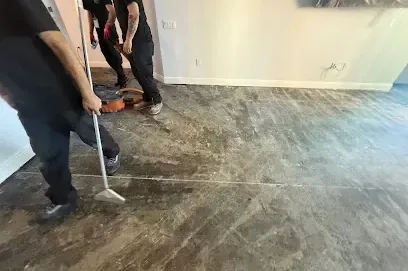
First steps for water extraction and removal
- Find the water
Check depth, spread and source, then shut off any supply still running.
- Pump and wand
Pumps clear the standing depth, then wands and vacuums lift what remains in carpet.
- Remove what will not dry
Saturated pad and swollen base material come out so they cannot hold water against the subfloor.
- Hand off to drying
Meters map the leftover moisture and equipment is set to finish the job.
What does water extraction and removal cost in Roeland Park, KS?
Extraction by itself costs less than full restoration. The total follows how much water there is, how many rooms are wet and whether the water is clean or contaminated, and the three ranges below fit common jobs.
One room, clean water
- Pump and wand extraction
- Wet pad removal
- Moisture readings
Several rooms or a lower level
- Pumps for deeper water
- Carpet and pad removal
- Drying equipment set
Whole floor or gray water
- Whole floor extraction
- Gray water cleaning
- Extended drying visits
Ranges are typical, not a quote: category of water, square footage, material class and how fast drying started move the number most. Run the water damage cost calculator for a closer range.
How water extraction and removal is handled, start to finish
Moisture is mapped before any equipment goes down, so the drying plan matches what is actually wet, and the equipment stays until the readings say dry.
Assess
Meters trace the wet area and water type before pumping.
Extract
Pumps and wands remove standing water and the carpet soak.
Dry
Air movers and dehumidifiers pull out the remaining moisture.
Verify
Readings repeat until wet materials reach dry targets.
Extraction is the first physical job in water damage restoration, and it decides how much material survives. In a closely built city with 3,201 households counted in 2020, a quick pull of the standing water is what keeps one leaking room from turning into several.
How the extraction sequence runs
The crew starts with the heaviest water, using pumps for depth and extraction wands for the film left on hard floors and the soak in carpet. Pad is usually lifted because it holds water like a sponge and dries too slowly to save. Once the standing water is gone, moisture meters show which drywall, baseboard and subfloor are still wet, and that map sets where the air movers go.
- Pumps handle standing depth
- Wands lift the film on hard floors
- Vacuums pull water from carpet and pad
Removal of standing clean water, gray water and storm runoff from floors and low areas, followed by cleanup and drying so framing, subfloor and drywall can recover.
Call now to start extractionClean, gray or sewage water
Water category changes everything that follows. Clean supply water from a failed pipe can often be dried in place, while gray water from a washer or dishwasher needs cleaning first. Anything from a sewage backup is handled under sewage backup cleanup rules, with porous materials removed instead of saved. Sorting the category early keeps the cost and the risk down, and it tells the crew whether carpet can be dried or must be discarded.
What follows the water leaving
Extraction is only the start. Air movers and dehumidifiers take over, readings are logged at each visit, and rooms stay on the drying schedule until framing and subfloor reach dry targets, as described under structural drying. The same crew also handles storm flood cleanup and basement flooding cleanup.
Water extraction and removal across Roeland Park and nearby communities
Extraction work reaches homes near Roe Boulevard and Shawnee Mission Parkway, the streets along Rosewood Drive and Roe Lane, and every other part of ZIP code 66205 in the city.
The same service nearby: water extraction and removal in Leawood, Mission, Merriam.
Water damage restoration in Roeland Park · every town covered
Water Extraction and Removal questions in Roeland Park, KS
Water Extraction and Removal help, around the clock
Standing water on the floor? Call and describe it to the extraction crew.
(888) 902-1696 Call, pumps neededWhat does water extraction involve?
Pumps clear standing depth, and extraction wands or vacuums lift what soaked into carpet and pad. Materials too wet to dry in place are removed, then drying equipment is set.
Can carpet be saved after a leak?
Often yes when the water was clean, because carpet can be lifted and dried, but the pad is usually replaced. Sewage or runoff water means the carpet comes out.
Why does extraction come before drying?
Dehumidifiers and air movers struggle against standing water. Once pumps and wands remove it, the drying equipment can focus on the moisture still held in materials.
How is the type of water decided?
Source and contact decide it. Clean supply water, gray water from appliances and sewage or runoff are treated differently, and doubtful water is handled as the dirtier type.
Why not mop up and open the windows?
Mopping leaves water inside pad, baseboard and framing, and open windows rarely move enough moisture out. Extraction and metered drying remove it where it hides.
Do small leaks need extraction too?
Yes. A dishwasher or water heater leak that wets one room still benefits from extraction and readings, and a small job usually lands in the lowest price range.
Pull the water out before it spreads
Describe where the water is and how deep it looks, and the crew brings pumps, wands and drying equipment suited to the job.
(888) 902-1696Roeland Park standing water help